
Who was Hypatia?
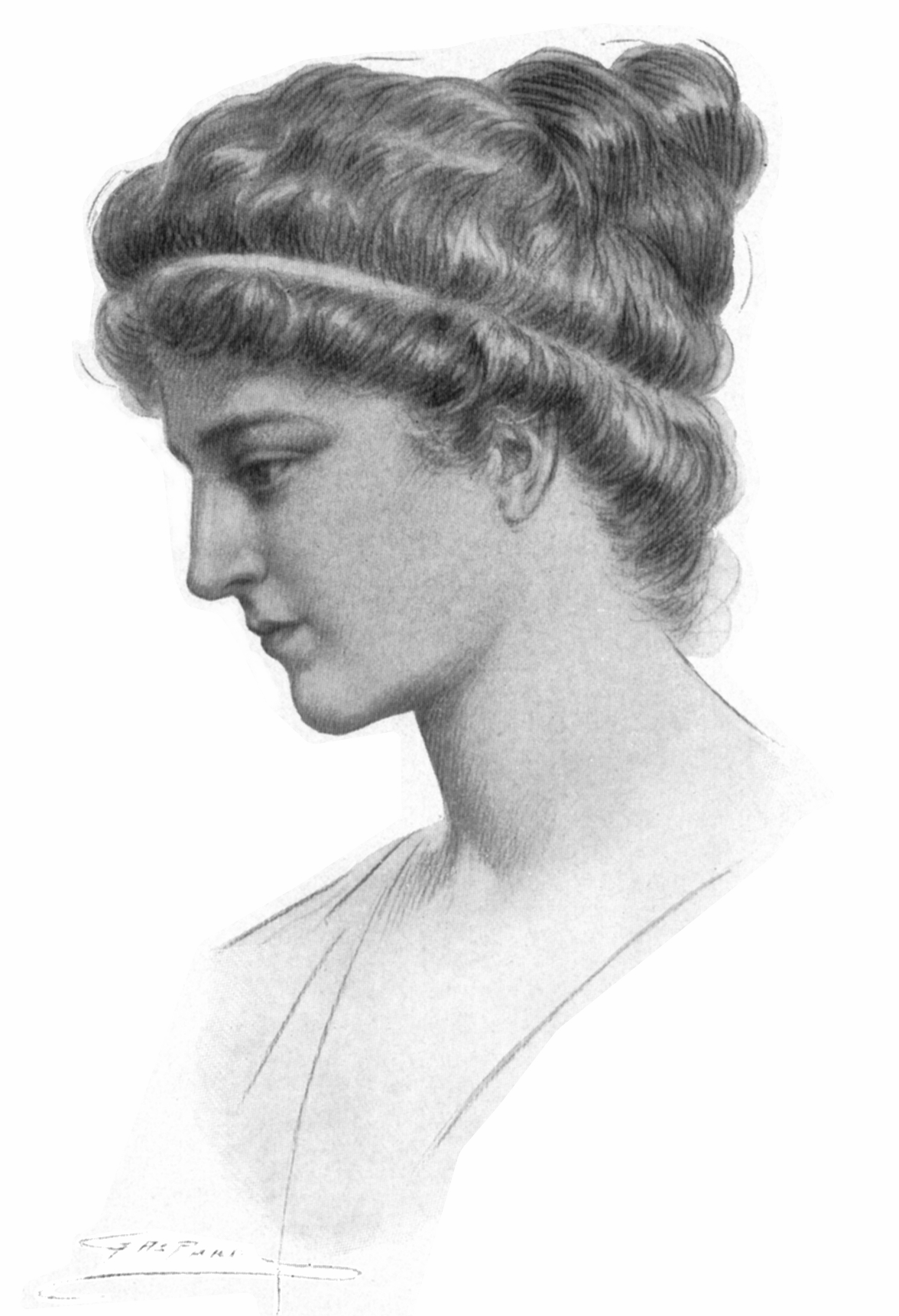
Hypatia was born in Alexandria around 355AD, her early learning concentrated on mathematics and astronomy. She edited and annotated works by such authors as Diophantus and Ptolemy and is credited with some early advances concerning the projection of the sphere and making scientific instruments.
Her circle of colleagues and followers formed a community based on neo-Platonic systems of thought and intellectual ties. Through private teaching and public lectures, her fame was such that she became the natural advisor on current issues far and wide.
Hypatia was regarded as a model of ethical courage, righteousness, veracity, civic devotion and intellectual prowess.
Over time her moral authority and political influence as well as her friendly alliance with the Prefect of Alexandria, Orestes, made her a threat to the Christian patriarch Cyril. Within the larger political upheavals of 415AD, she was assassinated.
Discover more about Hypatia: WIKIPEDIA, SMITHSONIAN & BRITANNICA
Since 1967 book and ephemera collections related to women's literature and lives have been gathered through purchase and gift by the American born collector Dr Melissa Hardie-Budden. The growing collection required a home and in 1986 the Jamieson Library was built, named for Melissa's long-time friend and former tutor, the late Lucy Norna Jamieson.
In 1996, with shelves bowing, The Hypatia Trust was formed, its primary aim to maintain, develop and protect the collection now referred to generically as The Hypatia Collection, or as a classified group of sub-collections about women and their lives. The first ‘mother’ collection, and the largest, was gifted to Exeter University, Devon, at the personal invitation of Sir Geoffrey Holland, Vice-Chancellor at the end of that year. The Exeter Collection can be found here.
The Trust soon evolved to encompass many other strands including Hypatia Publications, art exhibitions and residential retreat for scholars etc. The major thrust of the organisation has been to build and distribute distinguished study collections, both general and specific, to augment the educational resources available to students and researchers globally, redressing the gender imbalance of the stories we accept as our ‘history’.